House Leveling in Pflugerville, TX
House leveling in Pflugerville, TX lifts the low parts of a home back toward even and holds them there. From Pflugerville, in northeastern Travis County, we serve homes all over Travis and Williamson Counties. Read how leveling works on slab and pier-and-beam homes and why drainage matters.
- No Cost to Request
- Written Estimates
- Local to Travis & Williamson Counties
- Slab & Pier-and-Beam Homes
Not sure if we cover your area? Check now ↓
Jacking, Piering and Re-Leveling Explained
Leveling has two parts: lifting and holding. On a slab home, the repair crew digs at the low sections, sets steel or concrete piers under the edge, and raises the slab in small steps with hydraulic jacks. On a pier-and-beam home, the work happens in the crawl space, where beams are jacked up and set on reset piers, new piers or fresh shims.
Before any lift, the specialist takes an elevation survey, a set of floor readings across each room. It shows the high point, the low points and how far apart they are. A second survey after the lift records where the floors ended up. Ask to keep copies of both.
When House Leveling Is the Right Call
- Rooms that slope. If a ball rolls toward one wall or furniture rocks, part of the house may sit lower than the rest.
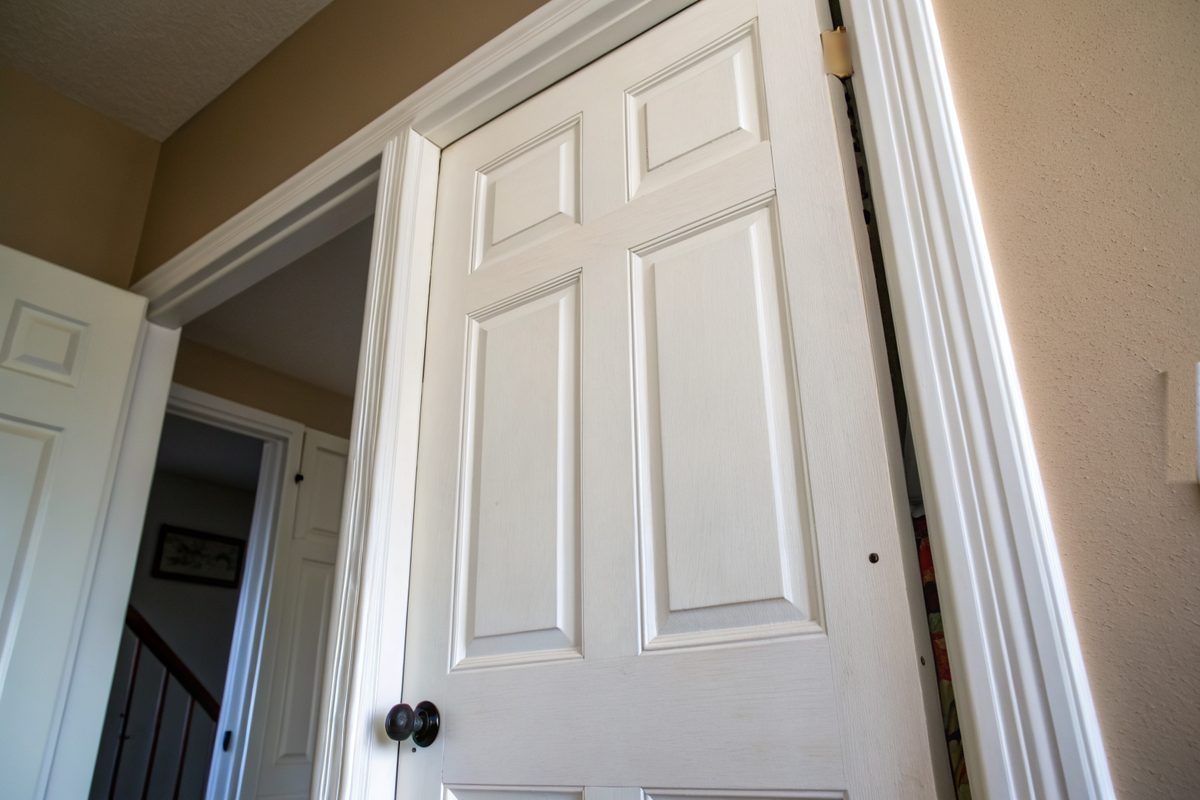
- Doors that swing on their own. A door that will not stay put often hangs in a frame that has tilted.
- Gaps under baseboards. A growing space between the floor and the trim shows the floor has dropped away from the wall.
- A sagging middle floor. In raised homes, sunken piers or crushed shims let the center of a room dip.
What House Leveling Usually Costs
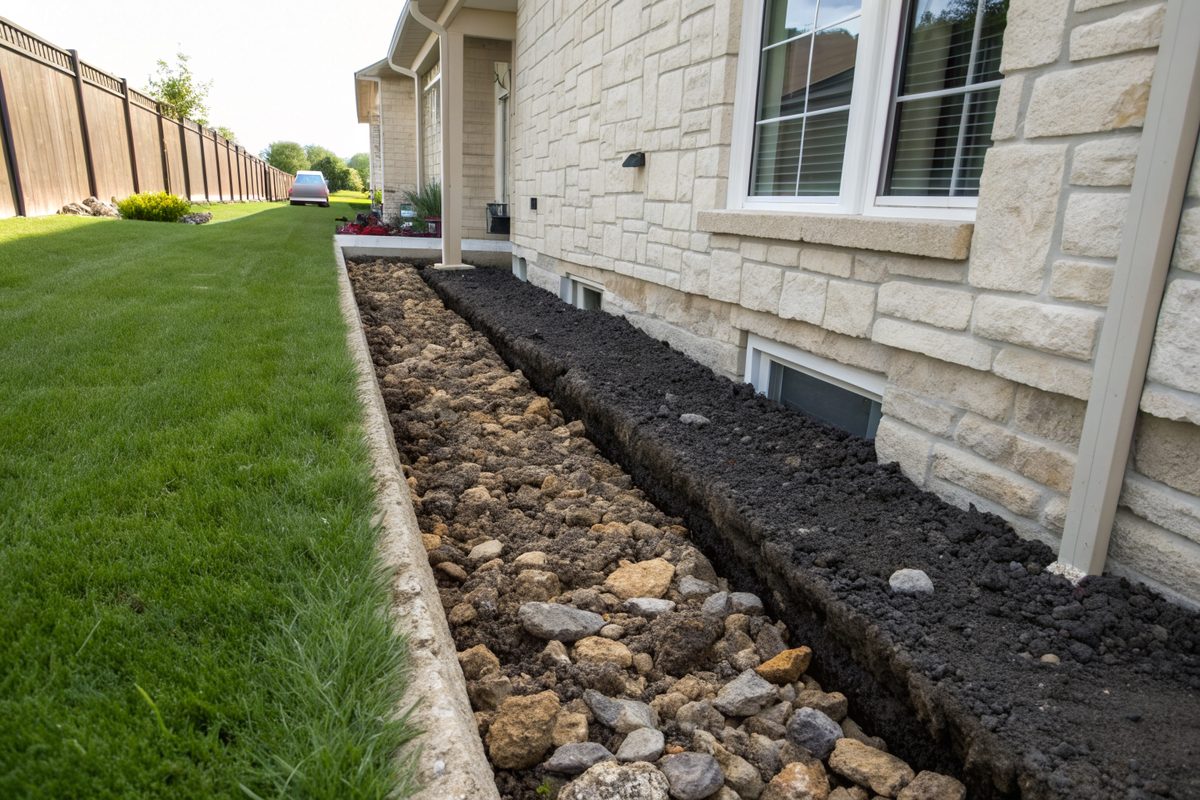
Most of a leveling bill follows the pier count, then foundation type, access and drainage work. The French drain row is here because a water fix often goes with the lift. The figures are national, drawn from home-cost websites, and none of them is a quote from us.
| Cost row | Figure | Source (year) |
|---|---|---|
| Steel piers, per pier | about $1,000 to $1,600 | HomeGuide (2026) |
| Slab vs. pier and beam repair | about $1,000 to $10,000 for slab homes; about $2,000 to $15,000 or more for pier and beam homes | HomeGuide (2026) |
| French drain, per linear foot | about $10 to $35 | HomeGuide (2026) |
Try the cost calculator for a range based on your footprint, or open the foundation repair cost guide to see each row and where it came from.
What a Pro Does, Step by Step
These are the steps a local foundation specialist follows once the visit is booked.
- You reach out. Send your address and a short note about the floors, and we schedule a local foundation specialist.
- Floor survey. The specialist maps each room with a laser level or a similar tool and marks the low spots.
- Cause check. Gutters, yard slope, sprinklers, nearby trees and possible leaks get a look, because each can keep the clay moving.
- Written plan. Look for the pier count and type, shim or beam work, drainage changes, the permit question and the warranty. Ask if a professional engineer will sign off on it.
- Lift and final survey. The repair crew raises the house in stages, locks in the supports and takes the second set of readings.
What House Leveling Protects
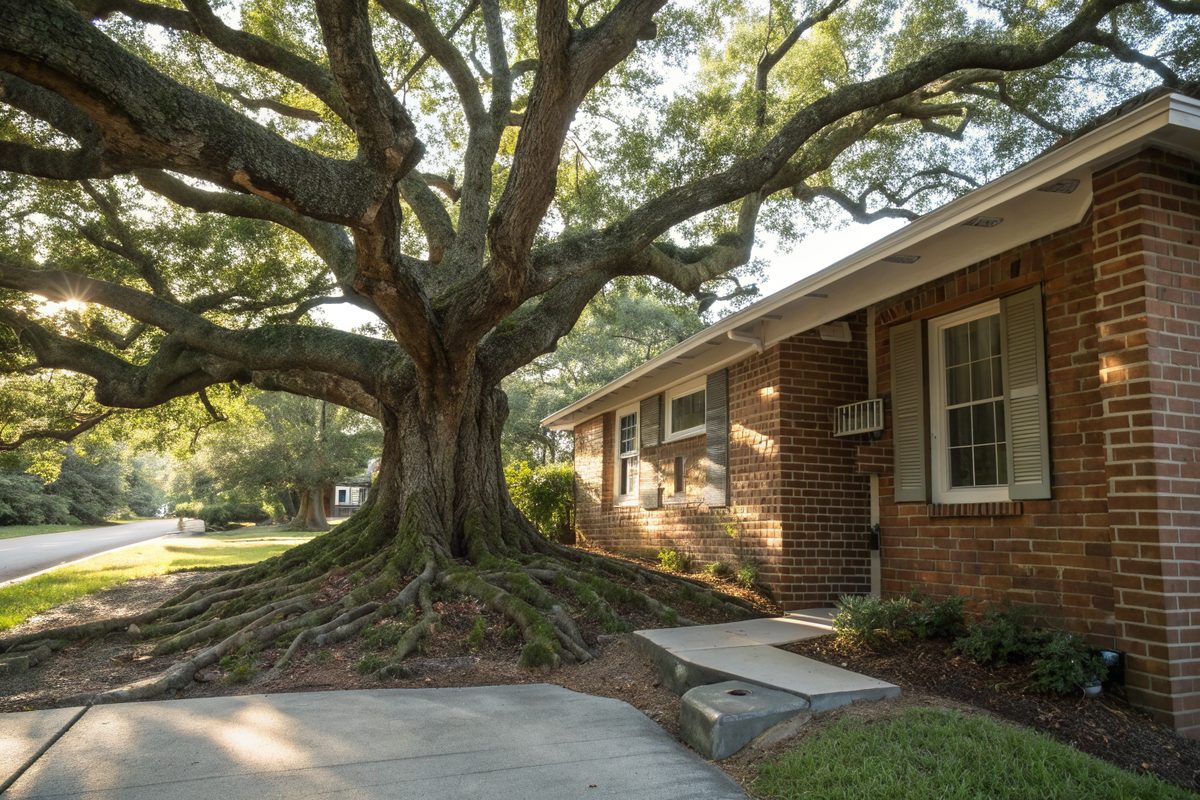
Level floors keep doors closing, tile in one piece and pipes free of strain. But a lift without a water fix may not last. Central Texas black clays shrink and swell as moisture comes and goes (Texas A&M AgriLife). Gilleland Creek's watershed, about 76 square miles, takes in the City of Pflugerville (TCEQ), so rain has plenty of ground to soak. When downpours follow a dry stretch, the soil swells quickly and can push a lifted section out of line.
That is why drainage often shares the plan. Downspouts that empty a few feet from the walls, soil that slopes away from the house, sprinklers that water evenly, and a French drain where water collects all keep moisture steady. A plumbing test can rule out a hidden leak.
Asked Often About House Leveling
Is leveling the same as foundation repair?
Leveling is one kind of foundation repair: the lift itself, raising low sections and setting supports under them. A full plan may also include crack sealing, drainage work or plumbing fixes, so one estimate can list several separate items, each with its own price.
Will my floors be perfectly flat afterward?
Maybe not, and that is normal. Older framing and concrete can crack if pushed too far, so the aim is usually to get close to level and hold it there. Ask what final readings to expect, and have that target written into the plan.
Will the house stay level for good?
No one can promise that clay will stop moving. Deep supports, even soil moisture and good drainage cut the odds of new settling. Read the warranty to see what happens if a section drops again, and ask whether a buyer would inherit it.
Should drainage be fixed before or after leveling?
Often the two are planned together. Small changes, like longer downspouts, can happen any time. Bigger work, such as regrading or a French drain, is often timed around the lift so new soil and pipe are not disturbed. Ask the specialist how the steps fit on your lot.
Repairs Often Paired With House Leveling
Leveling often pairs with slab foundation repair or pier and beam foundation repair, depending on what the house sits on, and with foundation crack repair once the floors are back in line; you can also read the general foundation repair page or try the foundation warning signs quiz.
Have a Pro Measure Floor Elevation
Tell us which rooms slope and which doors stick. We book the visit, and a local foundation specialist runs the floor survey, finds the cause and writes the estimate. There is no cost to send the estimate request.