Foundation Crack Repair in Pflugerville, TX
Foundation crack repair in Pflugerville, TX starts with one question: is the crack just concrete shrinking, or a sign the house has moved? Pflugerville sits in northeastern Travis County, and our service area spans Travis and Williamson Counties. Here is how cracks are read, sealed and priced.
- No Cost to Request
- Written Estimates
- Local to Travis & Williamson Counties
- Slab & Pier-and-Beam Homes
Not sure if we cover your area? Check now ↓
Epoxy, Polyurethane and Crack Injection
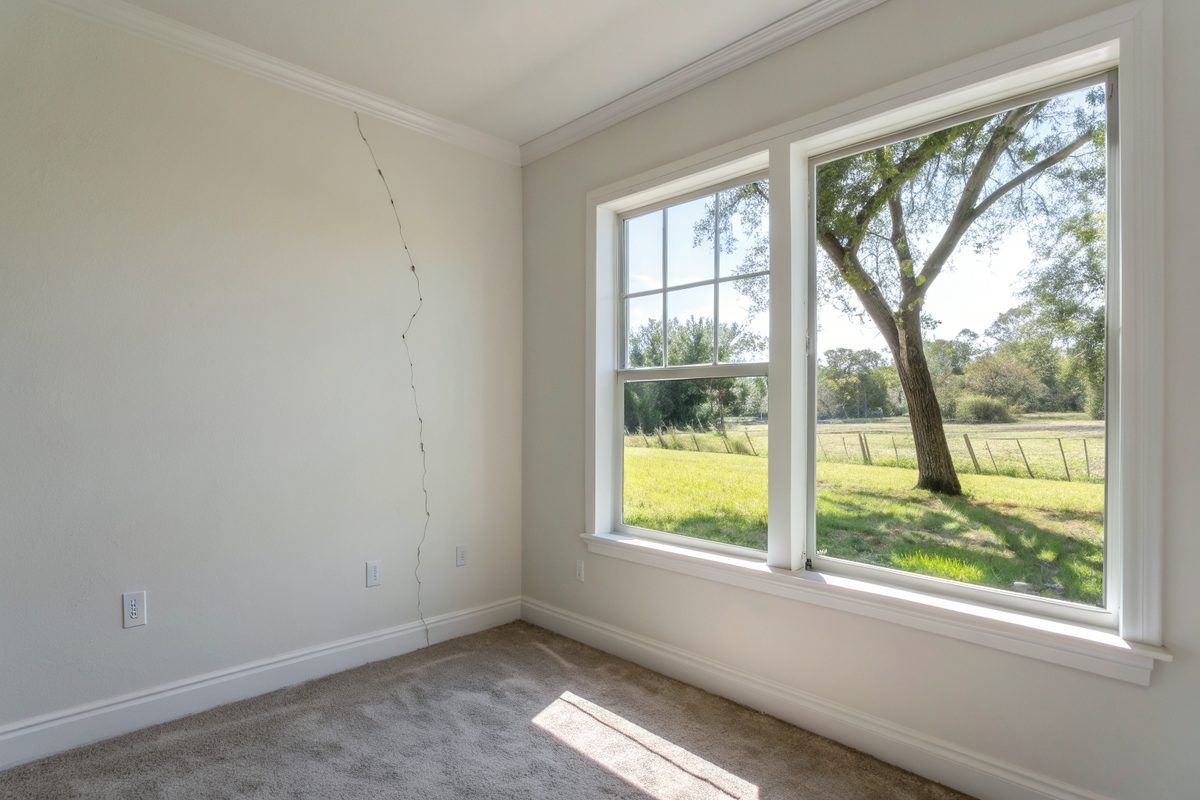
Two materials do most of the sealing. Epoxy goes into a clean, dry crack and hardens into a stiff bond that joins the two sides of the concrete again. Polyurethane foam is softer. It expands as it cures, fills the gap and stays a little flexible, so it is often chosen for cracks that let in water.
Both go in through small ports set along the crack, and the surface is sealed over. Injection closes the crack, but it does nothing to stop the ground from moving. If the crack is a symptom of settling, the plan needs to treat the cause too, often with piers or drainage changes.
When Foundation Crack Repair Is the Right Call
- Hairline cracks that stay put. Cracks thinner than a credit card are common in concrete and often only need sealing.
- Cracks about 1/8 inch or wider. A crack this size, or one that keeps growing, deserves a closer look before anyone fills it.
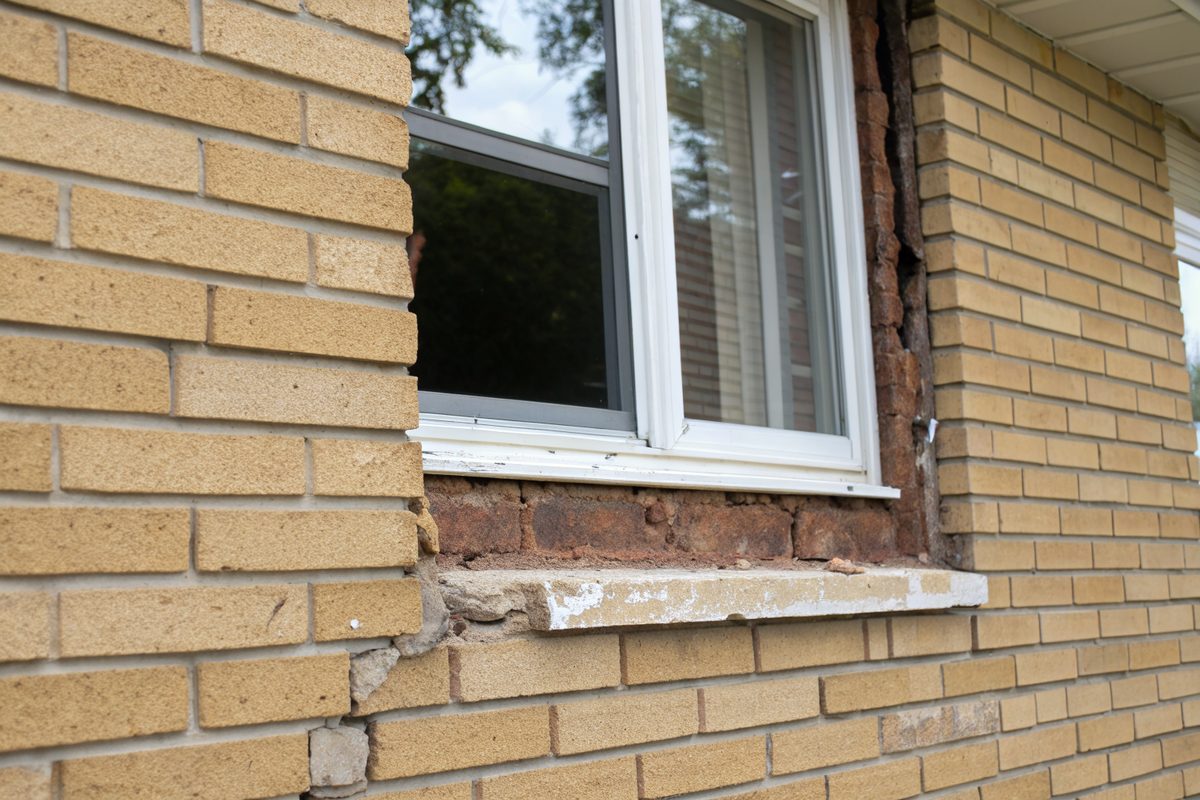
- Stair-step cracks in brick. A zigzag line through the mortar points past the crack to the support below.
- Cracks that let water in. Moisture through a crack can keep the clay beside the slab wet, so sealing it helps.
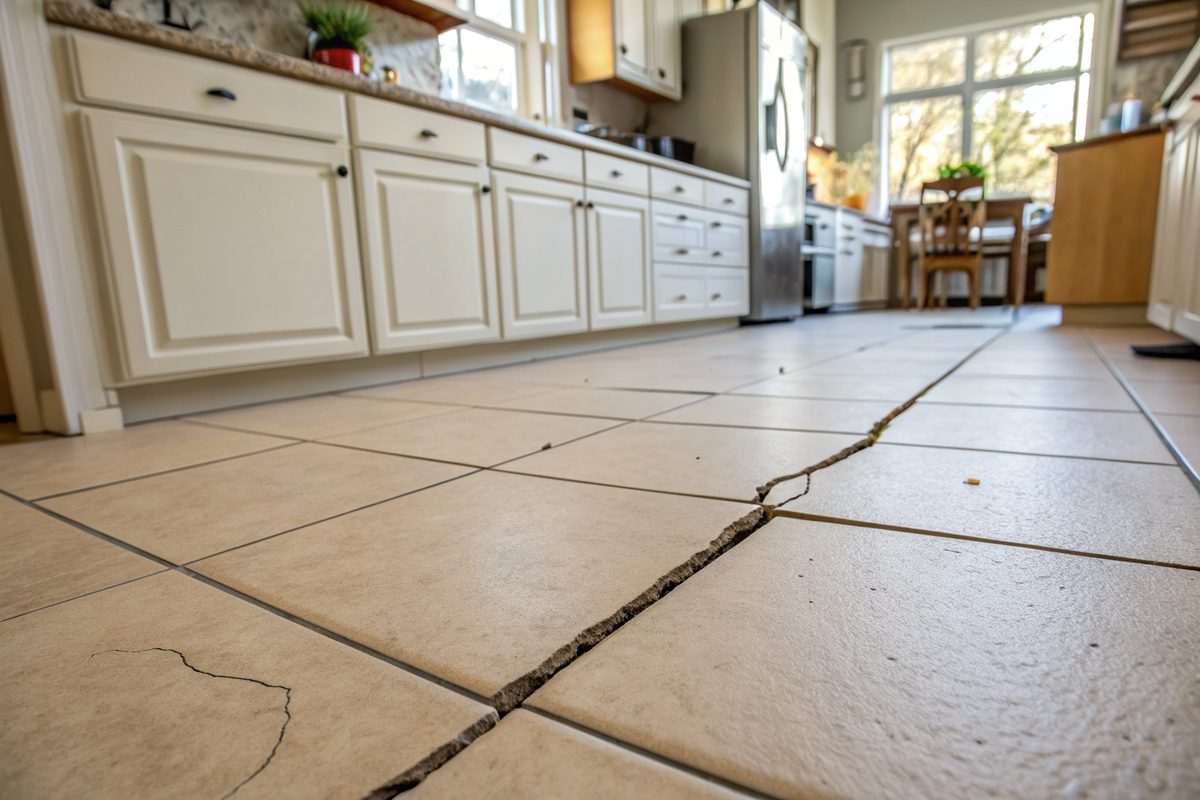
- Cracks with an offset. When one side sits higher than the other, the crack is a symptom, not the whole problem.
What Foundation Crack Repair Usually Costs
Sealing a single crack is one of the smaller foundation bills. The total climbs when the crack turns out to signal settling and piers or an engineer's review get added. These are national figures from home-cost websites. None is our price or a quote.
| Cost row | Figure | Source (year) |
|---|---|---|
| Crack repair, per crack | about $250 to $800 | HomeGuide (2026) |
| Structural engineer's report | about $500 to $3,000 | HomeGuide (2026) |
| Steel piers, per pier | about $1,000 to $1,600 | HomeGuide (2026) |
If piers may be part of the answer, the cost calculator gives a planning range, and the foundation repair cost guide explains each row.
What a Pro Does, Step by Step
After you reach out, the local foundation specialist handles each of these steps.
- Send a request. Tell us where the crack is and how long you have seen it, and keep a few dated photos. We arrange the visit.
- The crack gets measured. The specialist checks its width, length and direction, and whether one side sits higher.
- The house gets checked too. Floor readings, doors, drywall and drainage show whether the crack stands alone or belongs to wider movement.
- A written plan. It should name the sealing material, the number of cracks, any other repair needed and the warranty.
- Sealing and follow-up. The crack is cleaned, fitted with ports and injected. Ask how to tell later if it reopens.
What Foundation Crack Repair Protects
A sealed crack keeps water and insects out and makes fresh movement easier to spot. Around Pflugerville, the ground cracks too. Blackland clays like Houston Black split open in dry spells, and those soil cracks stay open 90 to 150 days in most years (NRCS). As the clay pulls back, an edge of the slab can lose support.
Then rain swells the clay again. The Austin area hit its record high of 112°F on September 5, 2000, and again on August 28, 2011 (National Weather Service). A crack that opens each summer and narrows each winter tells the specialist the soil under the house is moving.
Asked Often About Foundation Crack Repair
Can I seal a hairline crack myself?
Small, stable cracks are often sealed with a store-bought kit. Before you do, pencil a mark at each end of the crack, write the date beside it, and check it every few weeks. If it grows past the marks, have a specialist look before you cover it up.
Epoxy or polyurethane: which is better?
Neither wins every time. Epoxy forms a rigid bond and suits dry cracks where strength matters. Polyurethane stays flexible and swells to fill gaps, which suits cracks that leak. The choice depends on the crack's width, dampness and odds of moving again.
Do stair-step cracks in brick mean the foundation failed?
Not always, but they do mean something moved. Brick does not bend, so when the support under a wall drops or lifts, the mortar cracks in steps. Floor readings show whether the foundation needs support or the brick only needs new mortar.
Can I cancel a contract I signed at home?
Often, yes. Under Texas law, a deal over $25 signed at your home after a seller's visit can usually be canceled up to midnight of the third business day. There are exceptions, so look for the cancellation notice in your papers. This is general information, not legal advice.
Repairs Often Paired With Foundation Crack Repair
When a crack points to deeper movement, read about slab foundation repair, pier and beam foundation repair or house leveling, see the overview on the foundation repair page, or let the foundation warning signs quiz gauge how serious the signs are.
Send Photos and a Crack Repair Request
Use the estimate request form to describe the crack: where it is, how wide it looks and whether it has grown. Keep your dated photos handy. Once we book the visit, a local foundation specialist examines the crack in person and prepares the estimate.